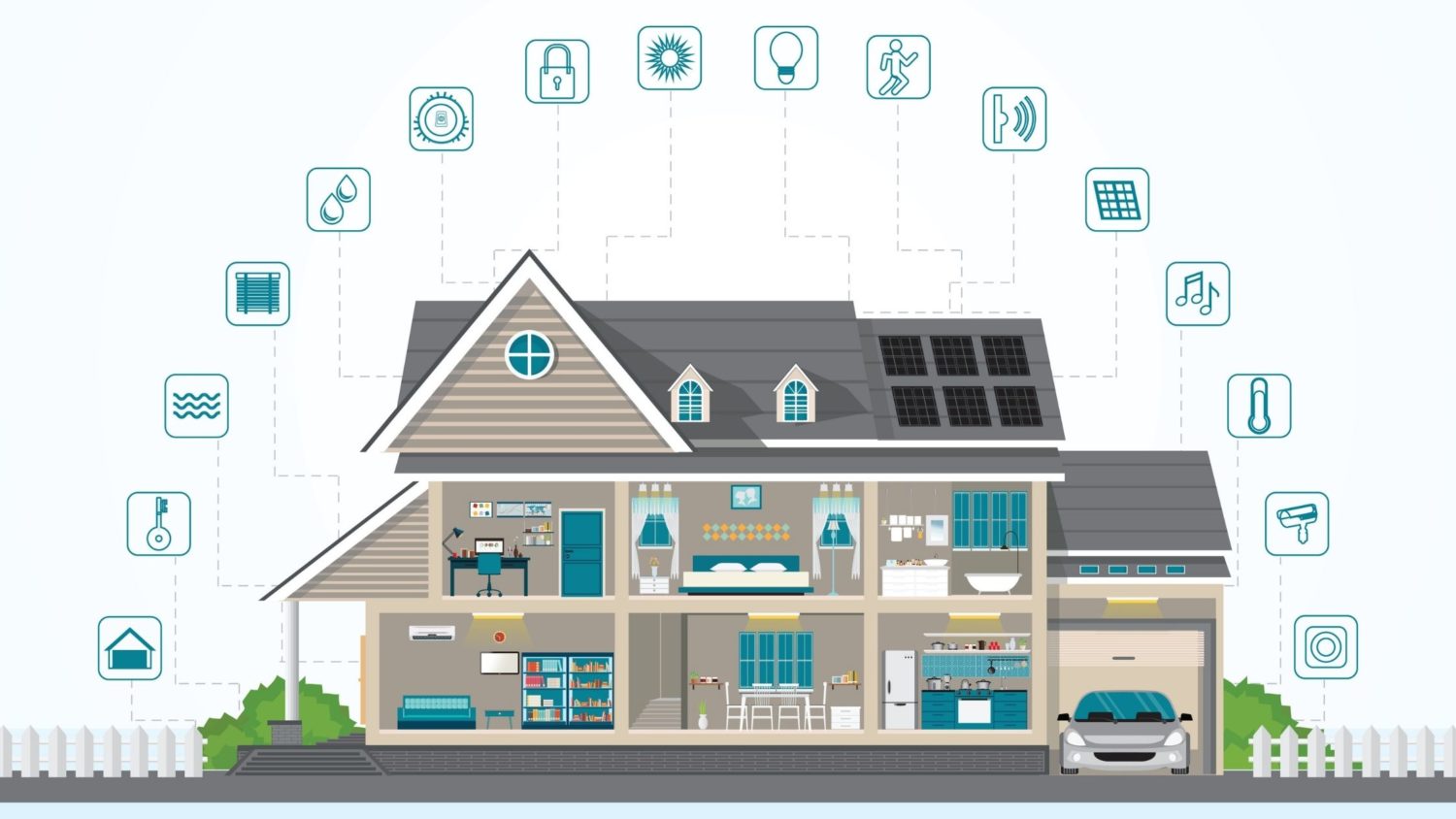
In a breakthrough merging artificial intelligence and green technology, new smart home systems now dynamically adjust power usage in real time to optimize solar energy consumption. By analyzing weather forecasts, roof solar panel output, and occupant behavior, these systems can decide when to run appliances, charge batteries, or draw from the grid.
The heart of this innovation lies in machine learning algorithms that predict energy supply and demand. For instance, when solar generation peaks midday, the system may run washing machines or dishwashers; when generation dips, it shifts tasks to lower-demand periods. This adaptive scheduling significantly reduces waste and enhances comfort without manual control.
Beyond lighting and HVAC, integration with productivity tools allows homeowners to automate routines like charging devices, starting coffee makers, or preheating ovens based on calendar events and occupancy sensors. Voice assistants and smart displays serve as control hubs, letting users override schedules or receive alerts when energy usage departs from optimal patterns.
Early trials show these systems reduce household carbon footprints while maintaining convenience. Experts predict widespread adoption of AI-based solar-smart home combinations could be a major driver in sustainable living for the coming decade.